
CAGE vs CAGX: the two Avantis CIBC all-equity ETFs compared


Short answer: CAGE and CAGX are both all-equity, globally diversified ETFs from CIBC, with Avantis Investors running the strategy. Same 0.28% management fee, same factor approach, same quarterly distributions. The difference that matters is Canada: at September 30, 2026, CAGE held about 29% Canadian stocks and CAGX held 3%. CAGE gives you the home bias most Canadian all-in-one funds have. CAGX holds the world closer to its actual weights.
When CIBC listed CAGX in August 2026, a lot of people read it as a newer version of CAGE. It isn’t. It’s the same recipe with one ingredient changed, and that ingredient happens to be one of the biggest allocation decisions a Canadian investor can make without noticing.
So this comparison is short on purpose. Most of what you’d normally compare between two funds is identical here. The part that isn’t deserves your full attention.
This is not financial advice. I’m sharing what I’ve learned from my own research, and your situation might be different from mine. Fund details change, so check the current disclosures before deciding anything.
What’s the same
Both funds are managed by CIBC Asset Management with Avantis Investors as sub-advisor. Both are fund-of-funds, holding a handful of underlying Avantis CIBC ETFs rather than individual stocks. Both trade on the TSX in Canadian dollars, both are 100% equity, and CIBC rates both as medium risk.
Both use the same Avantis process. CIBC’s fund snapshots describe it identically for each: companies are selected “based on value and profitability characteristics,” using book value, earnings, and cash flow alongside current prices. The CAGE guide covers how that factor tilt works and why it can trail a plain index fund for long stretches. That caveat applies equally to both.
And they cost the same, at least on paper.
The MER is the number that tells you what you actually pay. CAGE’s first one came in seven basis points above its fee. CAGX will publish its own after its first reporting period, and there’s no reason yet to expect it to land far from CAGE’s.
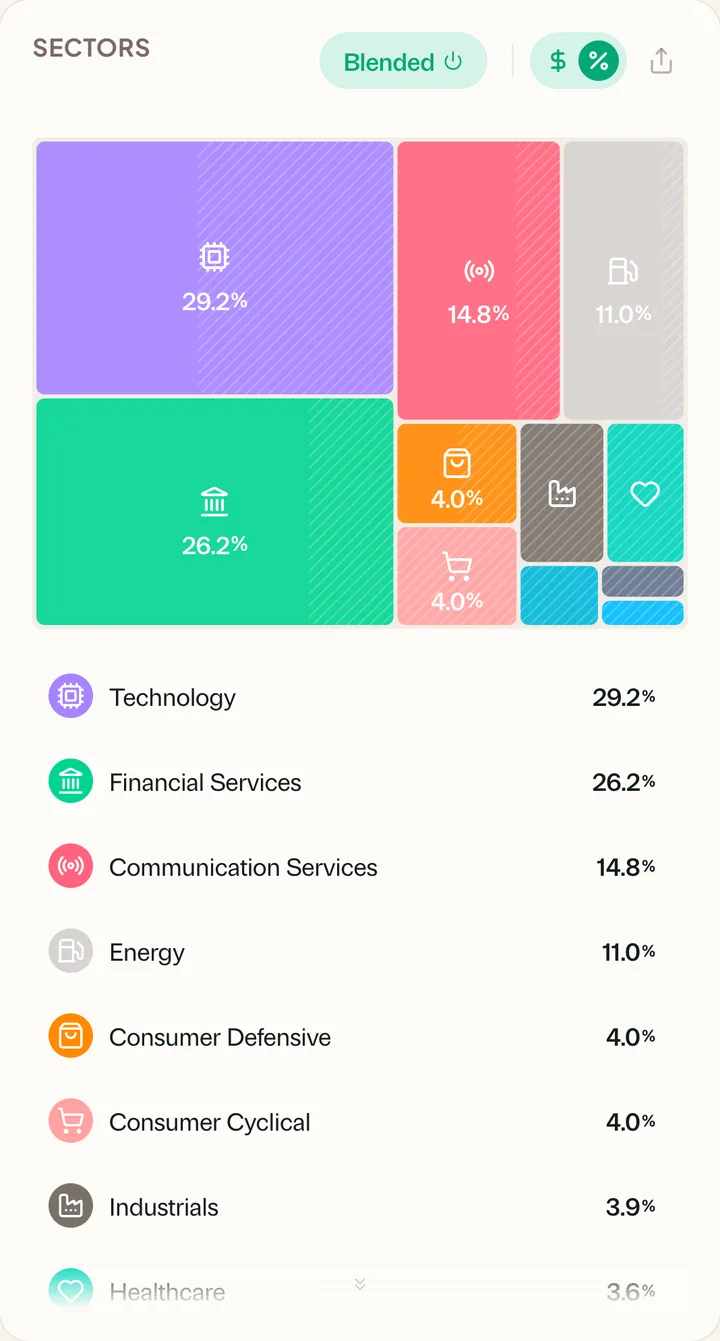
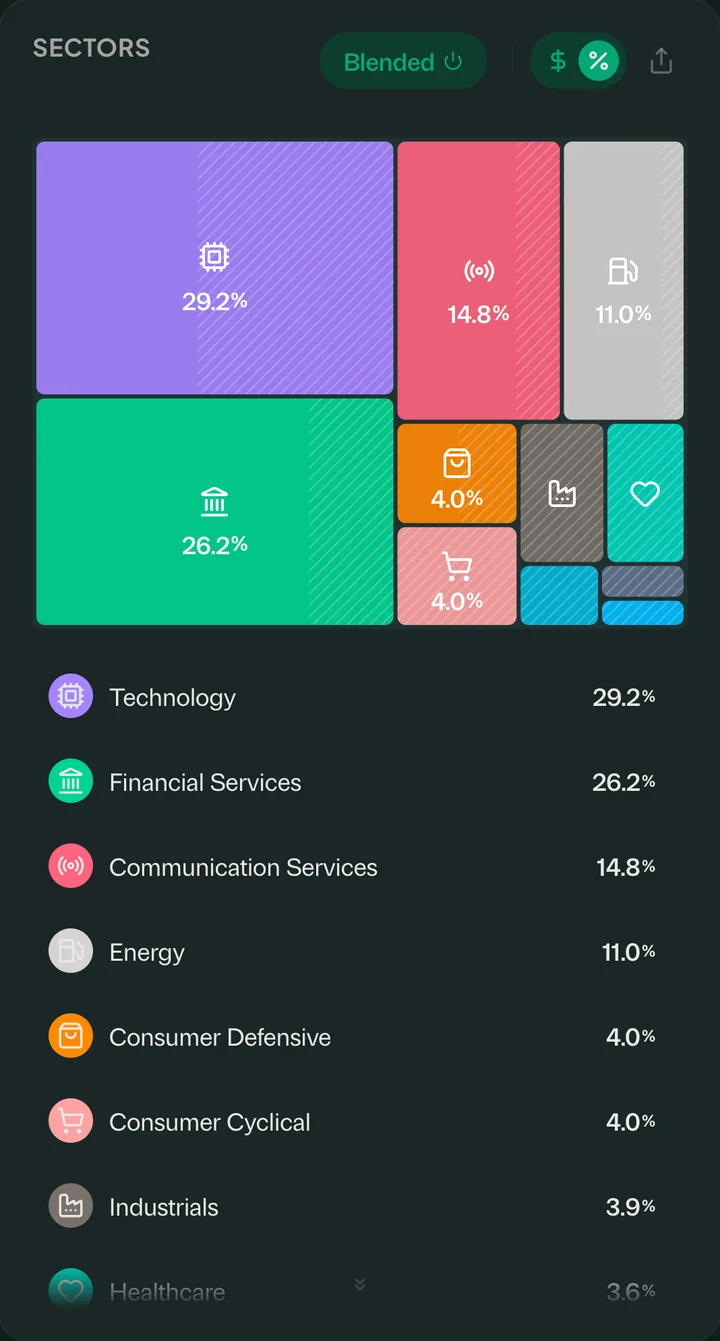
The real difference: how much Canada
Here is where the two funds split, using CIBC’s fund profiles as at September 30, 2026.
| Region | CAGE | CAGX |
|---|---|---|
| U.S. equity | 43.7% | 61.4% |
| Canadian equity | 28.6% | 3.0% |
| International equity (developed and emerging) | 26.6% | 35.2% |
| Cash and other | 1.0% | 0.4% |
Canada is roughly 3% of the world’s stock market. CAGE holds about ten times that. CAGX holds about that.
Neither is wrong. The home market bias guide lays out both sides properly, but the short version is this. Holding extra Canada gets you the dividend tax credit in a taxable account, less currency mismatch with a life lived in Canadian dollars, and a portfolio that looks like most Canadian all-in-one funds. It also concentrates you in a small market dominated by banks and energy companies.
I’d frame the choice this way. With CAGE, CIBC and Avantis decide your Canadian weight for you, at roughly the level most Canadian investors are used to. With CAGX, the fund holds almost none, and you decide whether to add any yourself.
What else is different
The Canada gap pulls a few other differences along with it.
More U.S., and more U.S. value. CAGX’s underlying funds include two that CAGE doesn’t hold: the Avantis CIBC U.S. Large Cap Value ETF (14.8%) and U.S. Small Cap Value ETF (2.1%). So the U.S. money freed up from Canada leans further toward value companies, not just toward the U.S. market as a whole.
More emerging markets. CAGX held 12.5% in the Avantis CIBC Emerging Markets Equity ETF at September 30, 2026, against 8.5% for CAGE.
Bigger companies at the top. Because CAGX is closer to world weights, the largest U.S. names show up clearly in its look-through holdings. NVIDIA (2.6%), Apple (2.4%), and Microsoft (2.3%) were its top three at September 30, 2026.
Size and history. CAGE has been trading since March 18, 2026 and had about $1.04 billion in net assets at September 30, 2026. CAGX started trading on August 27, 2026 and had about $49 million. CAGE has paid two quarterly distributions ($0.105 per unit in June and $0.078 in September). CAGX hadn’t paid one by the end of September.
Here’s the full side-by-side.
| Attribute | CAGE.TO | CAGX.TO |
|---|---|---|
| Full name | Avantis CIBC All-Equity Asset Allocation ETF | Avantis CIBC World Equity ETF |
| Trading since | March 18, 2026 | August 27, 2026 |
| Management fee | 0.28% | 0.28% |
| MER | 0.35% annualized, first interim report (June 30, 2026) | Not published yet |
| Canadian equity | 28.6% | 3.0% |
| U.S. equity | 43.7% | 61.4% |
| Underlying funds | 5 Avantis CIBC ETFs | 7 Avantis CIBC ETFs, adding U.S. large and small cap value |
| Net assets | About $1.04 billion | About $49 million |
| Distributions | Quarterly | Quarterly |
| Risk rating | Medium | Medium |
Allocation and asset figures are from CIBC’s fund profiles as at September 30, 2026.
The tax angle
This is the one practical difference that goes beyond taste.
In a non-registered account, dividends from Canadian companies qualify for the dividend tax credit. Foreign dividends don’t, and they usually have withholding tax taken off before they reach the fund. Close to 30% of CAGE’s stocks are Canadian. CAGX’s are almost entirely foreign. In a taxable account, that tilts the after-tax math toward CAGE.
In a TFSA or RRSP, the dividend tax credit doesn’t apply anyway, so that part of the gap disappears. That makes registered accounts the more natural home for CAGX.
Who each one suits
This is observation, not recommendation.
CAGE fits if you want one ticker that does everything, with a Canadian weight in line with funds like XEQT and VEQT. It also has more history and far more assets behind it, which matters to some people more than others. If you’re holding it in a taxable account, the Canadian sleeve earns its keep at tax time.
CAGX fits if you’ve thought about home bias and decided you don’t want it. It also suits people who already have plenty of Canadian exposure elsewhere, like a defined benefit pension, Canadian bank shares from an employee plan, or a separate Canadian equity fund. And it works as a base for building your own mix: pair CAGX with the Avantis CIBC Canadian Equity ETF (CACE) and you choose your own Canadian weight instead of accepting either fund’s.
If you can’t say which camp you’re in, CAGE is the more conventional choice for a Canadian investor, and choosing it is not a mistake. The CAGE vs XEQT comparison is the better next read if you’re still deciding whether you want the Avantis approach at all.
Frequently asked questions
What is the difference between CAGE and CAGX?
The Canadian weight. Both are Avantis CIBC all-equity ETFs with a 0.28% management fee and quarterly distributions. At September 30, 2026, CAGE held 28.6% Canadian equity and CAGX held 3.0%. CAGX puts most of the difference into U.S. stocks, including two U.S. value funds CAGE doesn’t hold, and carries a little more in emerging markets.
Is CAGX cheaper than CAGE?
No. Both charge a 0.28% management fee. CAGE’s first interim report put its MER at 0.35% annualized for the period ended June 30, 2026. CAGX doesn’t have a published MER yet because it listed in August 2026.
Which is better, CAGE or CAGX?
Neither is better in general. CAGE suits investors who want a typical Canadian home bias in one ticker. CAGX suits investors who want global market weights and are comfortable with roughly 97% foreign equity. Both use the same factor approach, so the decision is about how much Canada you want, not about which strategy is stronger.
Can I hold CAGE and CAGX together?
You can, but the result is simply a Canadian weight somewhere between 3% and 29%, depending on the split. If that’s the goal, pairing CAGX with CACE gives you the same control more directly.
Should I switch from CAGE to CAGX?
Only if you want to cut your Canadian equity from about 29% to 3%. That’s the main thing the switch does. In a non-registered account, selling CAGE to buy CAGX can also trigger a capital gain, so the switch has a cost there that it doesn’t have in a TFSA or RRSP.
Are CAGE and CAGX eligible for a TFSA and RRSP?
Yes. CIBC lists both as eligible for registered plans, including RRSPs, RRIFs, RESPs, and TFSAs.
Bottom line
CAGE and CAGX are the same fund family, the same strategy, and the same fee. The real decision between them is how much of your stock portfolio should sit in Canada. CAGE answers that for you at about 29%. CAGX answers it at about 3% and leaves the rest up to you. Pick the answer you actually agree with, and the ticker follows.
See how CAGE fits with everything else you own, across every account. Try a sample portfolio


More in DIY Investing
CAGE ETF: what CAGE.TO is, what it holds, and how it works

CAGX ETF: what the Avantis CIBC World Equity ETF is

Avantis CIBC ETFs: factor investing arrives in Canada
Home market bias: over-investing in Canada
CACE vs CAGE: the Canadian sleeve vs the all-in-one Avantis fund
CAGE vs XEQT: what to know about Canada's new Avantis all-equity ETF
CAGE ETF: what CAGE.TO is, what it holds, and how it works
CAGE.TO is CIBC and Avantis's all-equity ETF, listed on the TSX in March 2026. What it holds, the 0.28% management fee, the factor tilt, and who it's for.
CAGX ETF: what the Avantis CIBC World Equity ETF is
Avantis CIBC ETFs: factor investing arrives in Canada
Home market bias: over-investing in Canada
CACE vs CAGE: the Canadian sleeve vs the all-in-one Avantis fund