Can't keep up with personal finance? It's not you


The quick take: You don’t need to keep up with every personal finance trend to do well. The fundamentals (live below your means, invest the difference, hold for decades) haven’t changed.
A friend mentioned last year that she’d seen something about an FHSA but had no idea what it was or whether it applied to her. She’s not behind. She’s financially responsible, saves consistently, and has a TFSA and an RRSP. But the FHSA launched in 2023, and unless you were actively reading personal finance news that month, you’d have no real reason to know what it was. There was no letter in the mail. No notification from her bank. No one at her branch mentioned it. She only heard about it in passing, almost two years after it became available.
This is the part that doesn’t get talked about enough. Everyone says personal finance should be taught in school. And sure, it should. But even if it were, what you learned at 16 would be outdated by 25. The rules keep changing, and nobody sends you a memo.
New accounts keep appearing
The RRSP has been around since 1957. The TFSA didn’t exist until 2009. The FHSA showed up in 2023. Each one came with its own contribution limits, withdrawal rules, and tax implications.
If you opened your first investment account in 2008, you had one registered option for investing: the RRSP. A year later, you had two. Now you might have four or five different account types to think about, each with different rules about when you can put money in, when you can take it out, and what happens to your taxes when you do.
And it’s not like anyone consolidates this for you. Your bank isn’t going to call and say “hey, there’s a new account type that might save you thousands on your first home.” They might mention it if you happen to walk in and ask the right question. But too many people don’t, because they don’t know what they don’t know.
Old rules don’t automatically apply to new accounts
Here’s one that catches people off guard. If you hold U.S. stocks in your RRSP, the dividends are exempt from the 15% U.S. withholding tax. That’s because of a tax treaty between Canada and the U.S. that recognizes the RRSP as a retirement account.
But the TFSA? Not recognized. The FHSA? Not recognized either. Both came after the treaty was written, and the U.S. government hasn’t updated it. So the same U.S. stock, held in two different Canadian accounts, gets taxed differently. Not because of anything you did wrong, but because the rules were written in a different era.
Most people don’t find this out until they notice their U.S. dividends are lighter than expected. Or they never notice at all.
The world changes, and so does your portfolio
Before 2025, the standard advice in Canadian investing circles was to go heavy on U.S. equities. And why not? The S&P 500 had been on an incredible run. All-in-one ETFs like XEQT held about 46% in U.S. stocks, and plenty of people tilted even further.
Then the conversation shifted. Trade policy changed. Suddenly, people who had never thought about geographic diversification were asking whether they had too much U.S. exposure. The answer for most people was: maybe, but it was the right call based on everything we knew at the time.
That’s the uncomfortable truth about personal finance. You can do everything right with the information available today, and things can look completely different in two years. The people who had 70% U.S. equity in 2023 weren’t reckless. They were following the best thinking of the time. The ground just moved.
It’s not just about learning once
The “personal finance should be taught in school” argument is real, but it’s incomplete. Even if you learned everything at 18, you’d need to keep learning. Contribution limits change. New account types launch. Tax rules get rewritten. The prevailing wisdom on asset allocation shifts every few years.
This isn’t a one-time knowledge gap. It’s an ongoing one. And the people who feel behind aren’t behind because they’re lazy or bad with money. They’re behind because the system keeps changing and expects you to keep up on your own.
I’ve been paying attention to this stuff for over a decade, and I still get caught off guard. New rules about RESP withdrawals. Changes to how capital gains are taxed. Updates to brokerage fee structures. It never stops.
What actually helps
The best thing you can do isn’t to memorize every rule. It’s to build a system that makes it easier to notice when something changes.
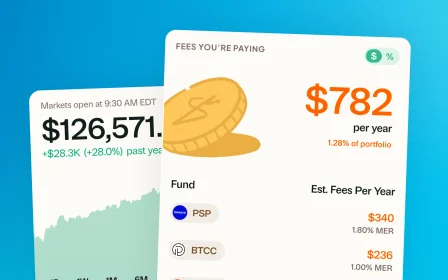
That means having a clear picture of what you own, what accounts you’re using, and what you’re paying. When a new account type launches, you can ask “does this apply to me?” instead of discovering it two years later over coffee. When the tax rules change, you can see which of your holdings are affected instead of guessing.
That’s part of why I built Greenline. Not to keep up with the rules for you, but so that when the next change comes, you’re not starting from scratch. You can see what you own, where it sits, and what it’s costing you. That makes keeping up a lot less overwhelming.
The rules will keep changing. That part isn’t going away. But feeling lost doesn’t have to be the default.
More in The Long Game
TFSA vs RRSP: Which should you max out first?

The FHSA explained: Canada's newest account
Withholding tax on US dividends in Canada

Home market bias: over-investing in Canada
TFSA vs RRSP: Which should you max out first?
The classic Canadian investing question. A clear, no-jargon breakdown of when to prioritize your TFSA, when to lean into your RRSP, and why it depends.
The FHSA explained: Canada's newest account
Withholding tax on US dividends in Canada
US-listed stocks face a 15 percent withholding tax on dividends in TFSAs and taxable accounts, but RRSPs are exempt under the Canada-US tax treaty. Here's what gets taxed, what doesn't, and how to position US holdings.